 Español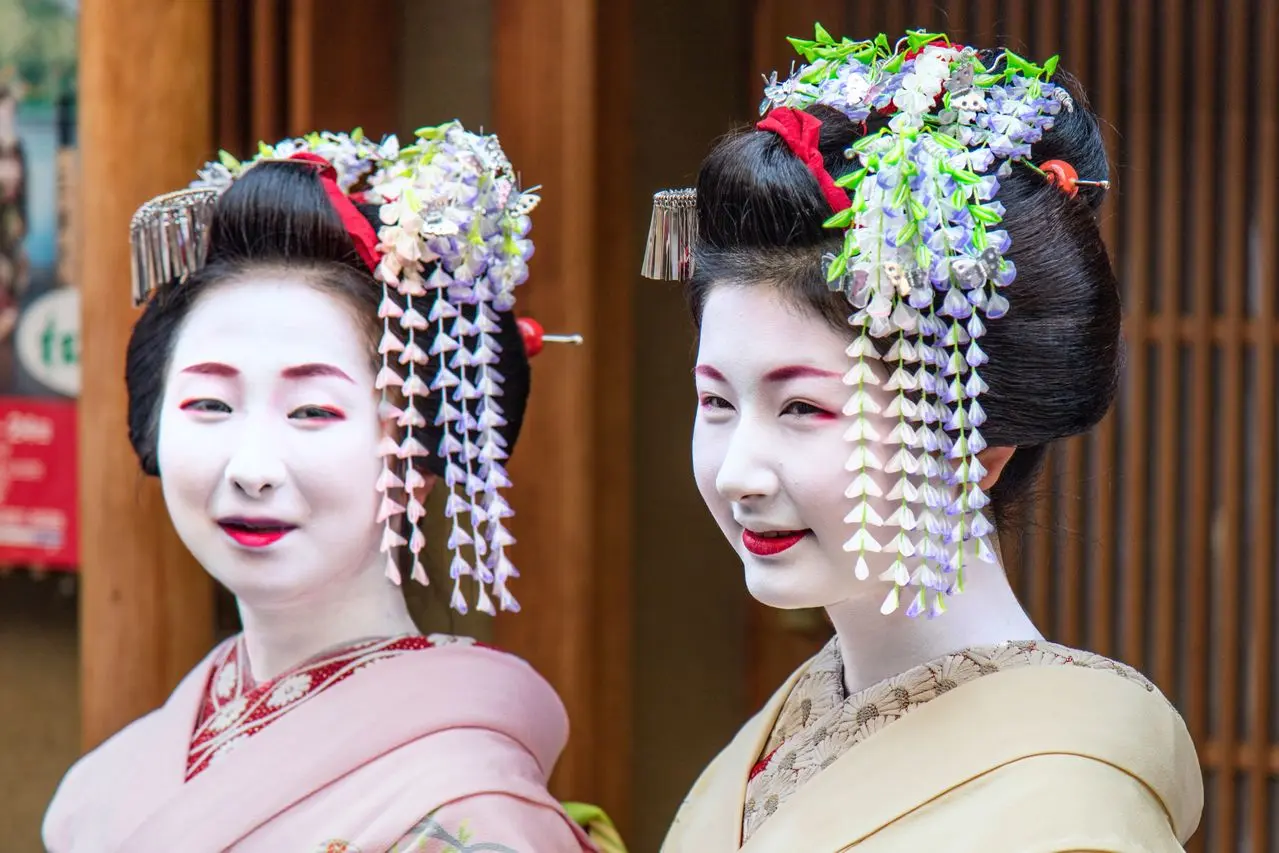
The fascinating universe of traditional Japan has always sparked immense curiosity in the West, and if there is an iconic figure that embodies Asian mystery and cultural sophistication, it is the geisha. When thinking of them, the first mental image that comes to mind is their impeccable attire, elaborate hairstyles, and above all, that characteristic pure white, matte, and completely uniform facial makeup that transformed their faces into delicate porcelain masks.
Beyond the undeniable artistic and scenic function of this ancestral look, behind the preparation of their skin lies one of the most astonishing stories in dermocosmetics. What began as an empirical ritual rooted in agricultural tradition has ended up becoming, centuries later, the foundation of powerful modern dermatological treatments. As a pharmacist passionate about cosmetic science, I am thrilled to share historical curiosities by revealing what geishas actually used to whiten their faces and what the fascinating chemical explanation is that connects their old dressing tables to the depigmenting formulas we apply today.
📺 Don't miss this curiosity in a quick format! If you want to see the summary of this story in less than a minute, click here to watch my Reel:
Porcelain Skin: The Canon of Beauty in Traditional Japan
To understand the obsession with paleness in Japanese culture, we must take a journey back in time. In Heian and Edo period Japan, white, immaculate skin free of any blemishes or traces of sun was not merely a passing aesthetic preference; it was the ultimate symbol of social status, purity, nobility, and spiritual refinement. Tanned skin denoted that a person belonged to the lowest strata of society and spent long hours working from sunrise to sunset in rice cultivation fields.
High-society women, ranking courtesans, and geishas sought to enhance this extreme paleness for an added practical reason: the rooms of traditional tea houses were illuminated exclusively by the faint, flickering light of candles. In that dimness, an intensely whitened face reflected ambient lighting in a spectacular way, making the artists' features and expressions stand out with much greater force during their nighttime dances and performances.
The Shirohuri Ritual: How Was Rice Powder Made?
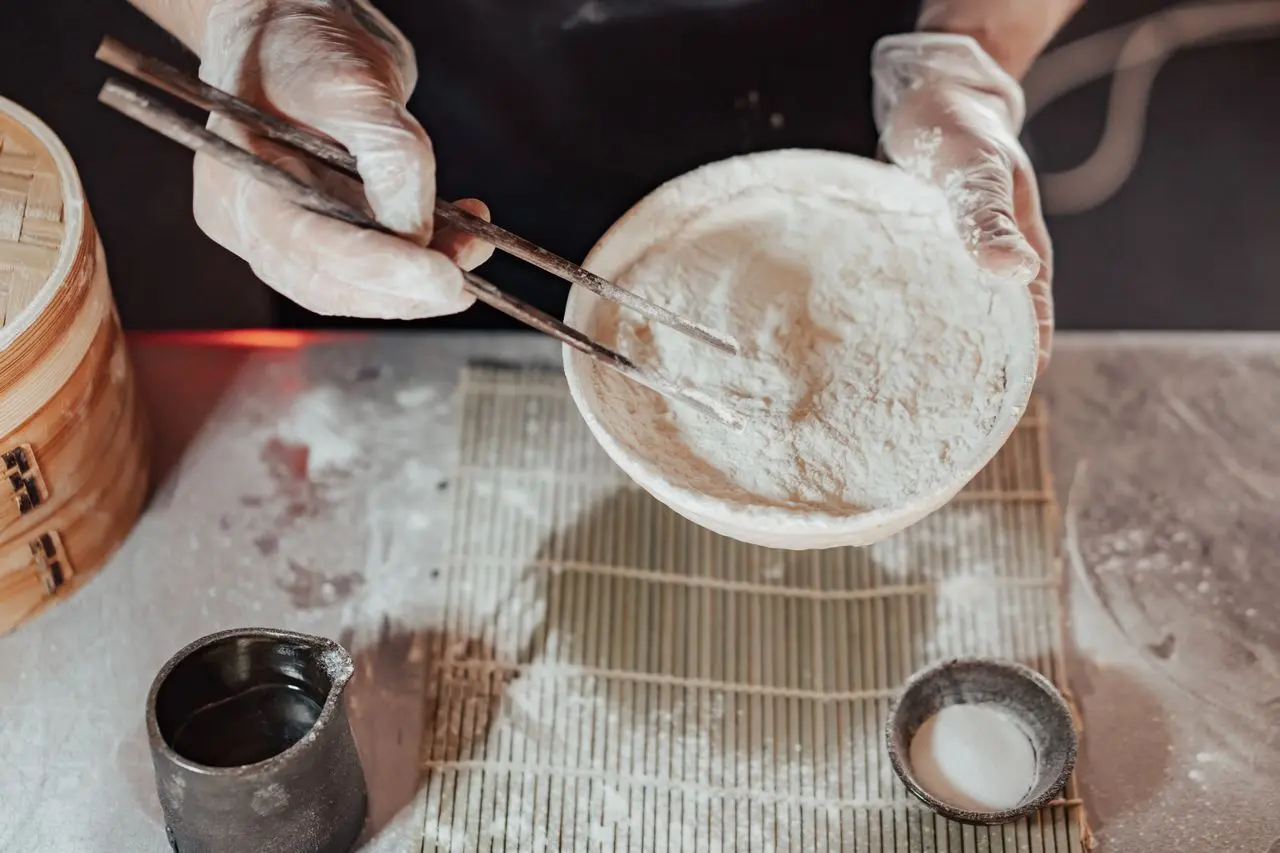
To achieve that white and flawless base known as Shirohuri, geishas resorted to an artisanal cosmetic made from finely ground rice powder (traditionally known as Oshiroi). This powder was meticulously mixed with water to form a creamy, dense paste that was applied uniformly to the face, neck, nape, and décolletage using special bamboo brushes.
Before spreading this white paste, they prepared the skin by applying a thin layer of vegetable waxes and oils (such as camelia oil) that acted as a primer or protective barrier, preventing the moisture of the rice powder from excessively drying out the epidermis and ensuring that the makeup adhered perfectly for hours without cracking.
It is important to highlight a dark historical side: although pure rice powder was the safest option, during certain eras commercial whitening powders containing lead and mercury became popular. The continuous use of these toxic substances wreaked havoc on the health of many women, causing chronic pigmentation problems, extreme sensitivity, and premature skin aging that, ironically, forced them to apply increasingly thick layers of makeup to camouflage the damage to the barrier function.
The Scientific Explanation: The Fascinating Origin of Kojic Acid
This is where history and modern dermopharmacy shake hands in a brilliant scientific twist. Over time, women who regularly handled rice and those who used heavy-metal-free artisanal rice powder noticed a striking phenomenon: even after removing the dense white makeup, their bare skin looked markedly lighter, more luminous, uniform, and free of sun spots.
Was it magic or an ancestral miracle? No, it was pure biochemistry. The mystery was fully unraveled in 1989 in laboratories in Japan. Scientific researchers were analyzing the rice fermentation process used to make sake (the traditional Japanese liquor). They observed that cellar workers who manually molded fermented rice had extraordinarily white, soft, and completely rejuvenated hands compared to the biological aging of their faces.
Upon microbiologically studying this process, they discovered that during rice fermentation, a specific filamentous fungus called Aspergillus oryzae (popularly known in Japan as the Koji fungus) intervenes. As a metabolic byproduct of this fermentation, the fungus secretes an exceptional natural organic molecule: Kojic Acid.
How Does Kojic Acid Work in Modern Cosmetics?
The discovery of kojic acid revolutionized contemporary dermocosmetics, becoming one of the most studied and used depigmenting actives today to treat hyperpigmentation. Its biological mechanism of action is of impeccable precision:
- Inhibition of Tyrosinase: For our skin to produce melanin (the pigment that gives skin its color and generates spots), it needs the activation of a key enzyme called tyrosinase. Kojic acid acts by chelating (trapping) the copper ions that this enzyme requires to function, effectively blocking the production of new melanin.
- Antioxidant Action: It helps neutralize free radicals generated by solar radiation and environmental stress, preventing them from stimulating melanocytes.
- Tone-Unifying Effect: Unlike other aggressive agents, kojic acid does not destroy pigmentary cells; it simply regulates their activity, allowing melasmas, sun spots, and post-inflammatory acne marks to fade progressively and safely.
 Kojie San - Kojic Acid Soap BarsView product
 Medicube Kojic Acid Turmeric Niacinamide SerumView product
 PLANTIFIQUE Kojic Acid Exfoliating PadsView product
 Medicube Jelly Gel Mask with Brightening Kojic Acid TurmericView product
Rice Powder on Today's Dressing Table: Mattifying Properties
Today, cosmetic brands no longer demand that we cover our faces with a dense white paste, but modified rice powder remains very present in high-end and pharmacy formulations, especially in translucent makeup-setting powders and products for combination or oily skin.
From a galenic perspective, rice starch has a porous molecular structure identical to that of a micro-sponge. It is capable of absorbing excess surface sebum and sweat outstandingly without clogging pores (non-comedogenic) and without aggressively drying out the skin as mineral talc-based powders sometimes do. In addition, it provides a very comfortable velvety silky finish that visually softens the texture of open pores.
Frequently Asked Questions (FAQs)
Is it safe to use kojic acid if I have sensitive skin?
Kojic acid is an excellent alternative for people who do not tolerate more aggressive depigmenting agents like hydroquinone. However, at high concentrations, it can cause mild contact dermatitis in highly reactive skin. In modern cosmetics, to maximize its tolerance and stability (since it is a molecule that easily oxidizes with light and air), it is usually formulated in concentrations between 1% and 4%, or chemically modified in the form of Kojic Dipalmitate.
Can kojic acid be used during the summer?
Yes, kojic acid is not a photosensitizing active (it does not react to sunlight causing burns), so it can be maintained in the morning and evening routine throughout the year. However, being a treatment focused on halting spots, it is absolutely mandatory and non-negotiable to accompany its use with the daily application of a broad-spectrum SPF 50 sunscreen. Otherwise, solar radiation will reactivate tyrosinase and ruin the results achieved.
Does homemade rice water contain kojic acid?
No. This is a very widespread myth on social media. Homemade rice water obtained by washing or boiling grains contains moisturizing starch, B-group vitamins, and antioxidants that can provide slight surface softness, but it does not contain kojic acid. For this molecule to appear, the biological fermentation process via the metabolic action of the specific fungus Aspergillus oryzae under controlled laboratory conditions is essential.
Knowing the history of beauty shows us that traditional wisdom often held fascinating biological secrets that dermopharmacy today is responsible for perfecting and ensuring for our skin.