 Español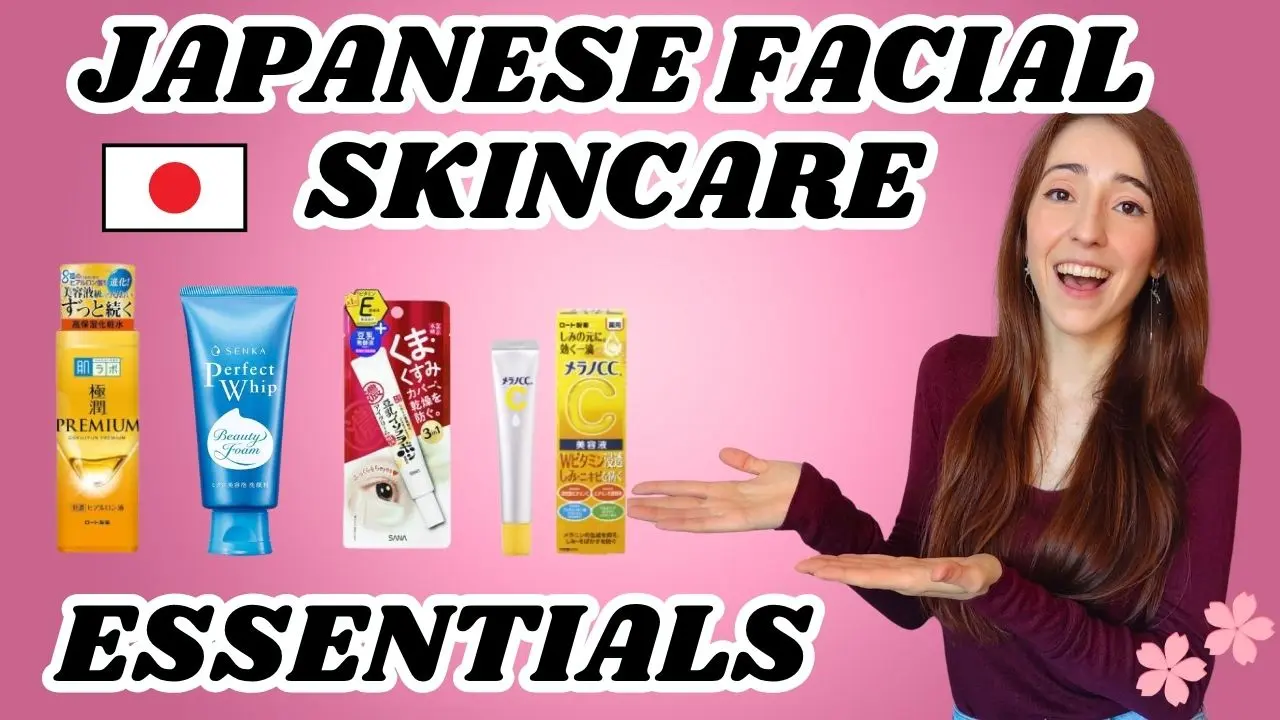
Traveling to Japan is the ultimate dream for any skincare lover. Its drugstore shelves and stores like Matsumoto Kiyoshi are packed with products featuring fascinating packaging, bewildering textures, and scientific patents that lead the forefront of global dermocosmetics. Japanese cosmetics, or J-Beauty, have conquered the West thanks to a very clear focus: the pursuit of clean, translucent, balanced, and deeply healthy skin.
Unlike other trends that change active ingredients every month, Japanese formulations are built on consistency, absolute respect for the barrier function, and the combination of traditional active ingredients with cutting-edge biotechnological processes. As a pharmacist, I was immensely lucky to travel to Japan to analyze these products on the ground, study their INCI ingredient lists, and evaluate their compositions firsthand. In this technical guide, we will thoroughly analyze the most viral Japanese facial cosmetics on the international market (such as Hada Labo, Senka, or Melano CC), evaluating their active ingredients, pros and cons, and when you should introduce them into your daily routine.
📺 Come with me to Tokyo! Don't miss the haul and the in-depth technical review of these facial products on my YouTube channel:
1. Cleansing Phase: Senka Perfect Whip vs. Kanebo Suisai
Cleansing is the most sacred step in J-Beauty. The Japanese adore textures that minimize the mechanical friction of fingers against the face to prevent micro-inflammation. Two products with radically different methodologies stand out in this section:
- Shiseido Senka Perfect Whip Beauty Face Foam (499 yen): It is Japan's best-selling water-based cleanser. It is a foaming cleanser with a traditional soapy base (containing saponified fatty acids such as stearic acid, myristic acid, and lauric acid). Its cleansing power is extraordinarily high, being able to remove sebum and sunscreen residues very effectively, generating a dense, whipped cream-like foam. To balance the pH of the soap base, it incorporates glycerin, hyaluronic acid, and hydrolyzed silk proteins (sericin), which form a thin film that softens the epidermis after rinsing. It is ideal as the second step of double cleansing for combination or oily skin that is not reactive; however, I do not recommend it for very dry skin, skin with rosacea, or a compromised barrier.
 Senka Perfect Whip Facial Cleansing FoamView product
 Senka Perfect Whip Collagen Facial Cleansing FoamView product
- Kanebo Suisai Beauty Clear Powder Wash (1800 yen): A biotechnological gem presented in single-dose powder capsules. Its formula combines very skin-friendly amino acid-based surfactants with two active enzymes: protease (which degrades residual keratin and superficial dead cells) and lipase (which dissolves excess oil trapped in pores to prevent acne). It also incorporates lactic acid and probiotics derived from soybean ferment to balance the cutaneous microbiome. It offers combined exfoliation (enzymatic and ultra-gentle chemical) that spectacularly improves skin texture and luminosity without aggressing it. If you have sensitive skin, I suggest alternating its use 2 to 3 times a week instead of applying it daily.
 Kanebo Suisai Beauty Clear Gold Powder Wash EnzymeView product
 Kanebo Suisai Beauty Clear Blue Powder Wash EnzymeView product
 Kanebo Suisai Beauty Clear Black Face Wash PowderView product
 Suisai Beauty Clear Pink Powder WashView product
2. The Lotions: The Heart of Hada Labo's Hydration
In Japan, what is identified on the label as a "Lotion" (Keshosui) has nothing to do with astringent or alcohol-laden toners of traditional Western cosmetics. Its exclusive function is to saturate the skin with moisture and act as a hydrophilic conductor that multiplies the absorption of subsequent treatments. In this field, the brand Rohto Mentholatum with its Hada Labo line is the absolute queen of the market:
| Analyzed Aspect | Hada Labo Gokujyun Premium (Yellow) | Hada Labo Gokujyun Classic (Moist/Light) |
|---|---|---|
| Product Profile | Long-lasting, serum-level intensive hydration. | Simple, direct, and fast-absorbing hydration. |
| Hyaluronic Acid Variety | 8 types of hyaluronic acid (includes nano, acetylated, 3D cross-linked, cationic, and fermented with lactic acid). | 3 types of hyaluronic acid (classic, hydrolyzed low molecular weight, and super acetylated). |
| Innovative Actives | Sakuran (barrier-repairing polysaccharide) and moisturizing sugars (Aquaxyl™, trehalose). | Hyaluronic acid ferment to improve cellular bioassimilation. |
| Texture & Sensoriality | Slightly viscous, dense, with a high plumping or plump-skin effect. | Very fluid, watery, lightweight, and completely fresh. |
| Audience & Skin Ideal | Dry, heavily dehydrated skin, or skin with a compromised barrier. May feel slightly sticky on oily skin. | All skin types, including combination and oily skin avoiding heavy finishes. |
 Hada Labo Rohto Mentolatum Gokujun HyaluronicView product
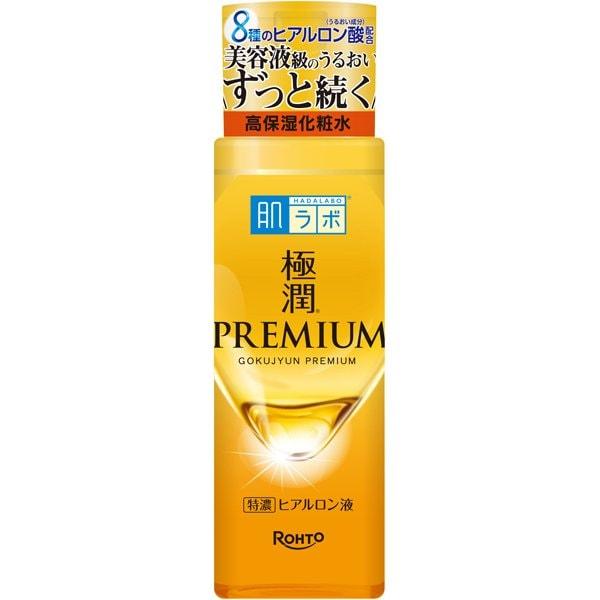 Hada Labo Gokujun Premium Hyaluronic AcidView product
| Both lotions stand out for their extraordinarily clean and respectful formulations: they are formulated completely fragrance-free, colorant-free, mineral oil-free, and alcohol-free (ethanol-free), making them excellent universal choices for sensitive faces. |
3. Intensive Treatment: Melano CC's Antioxidant Phenomenon
- Rohto Mentholatum Melano CC Vitamin C Essence (1180 yen): It is one of the most sought-after anti-spot and antioxidant treatments on the internet, and its fame is entirely justified from a dermopharmaceutical formulation perspective. This lightweight essence combines active vitamin C (pure ascorbic acid) with a stable derivative (ascorbyl tetraisopalmitate). Rohto's major technical achievement lies in its packaging: an aluminum dropper-style tube with a patented millimeter nozzle that prevents oxygen entry, solving the major problem of accelerated oxidation that ascorbic acid suffers.

The formula is boosted with Vitamin E (to stimulate microcirculation and create an antioxidant synergy against photoaging), dipotassium glycyrrhizate (a potent anti-inflammatory derived from licorice that mitigates the risk of irritation), and antimicrobial agents. It is a fantastic product to provide luminosity, blur mild hyperpigmentation, and treat residual red acne marks without leaving a greasy residue. Its use is ideal in the morning routine right before your usual sunscreen.
4. Sheet Masks: Kose Clear Turn and Keana Rice
In Japan, sheet masks are not reserved just for the weekend; they are used very frequently in highly economical multi-pack box formats. These are the options analyzed under the microscope of ingredients:
- Kose Clear Turn Range (598 yen): Western brands bet on simple masks, but Kose designs true targeted cocktails oriented toward specific cellular needs:
| Kose Mask Version | Composition & Highlighted Actives | Ideal User Profile |
|---|---|---|
| Gomenne Bare Skin | Salicylic acid (BHA), niacinamide, soothing licorice, fermented pear extract, and calendula. | Combination, oily skin, or skin with active blemish breakouts and clogged pores. |
| Sorry Bare Skin | Japanese plum extract (ume), astringent pomegranate, cherry leaf, and white jellyfish extract. | Tired, dull, or stressed skin needing immediate freshness. |
| Vitamin Bomb | Vitamin C (3 forms), vitamin E, niacinamide, regenerating panthenol, and retinol palmitate. | Faces with accumulated sun damage or seeking an anti-aging and illuminating boost. |
| Uruuru Bomb | Hydrolyzed hyaluronic acid, amino acids (glycine), and Suizenjinori polysaccharide (retains more water than HA itself). | Dry, dehydrated skin, or skin with expression lines marked by a lack of water. |
 Kose Clear Turn Gomenne Skin Facial MaskView product
 Kose Clear Turn Gomenne Suhada Kininaru Facial MaskView product
 Kose Clear Turn Uruuru BOMB Facial MaskView product
- Ishizawa Lab Keana Rice Mask (650 yen): It is one of the most awarded masks in Japan. It contains a serum composed 100% of Japanese rice derivatives (rice fermentation liquid, rice bran oil, and glucosylceramides). Its function is to deeply nourish dry and rough skin, visually closing open pores by replenishing the natural lipids that form the cement of the skin barrier. Its thick fabric sheet adheres excellently, and 5 minutes of daily or alternate exposure are enough to restore the flexibility of dehydrated faces.

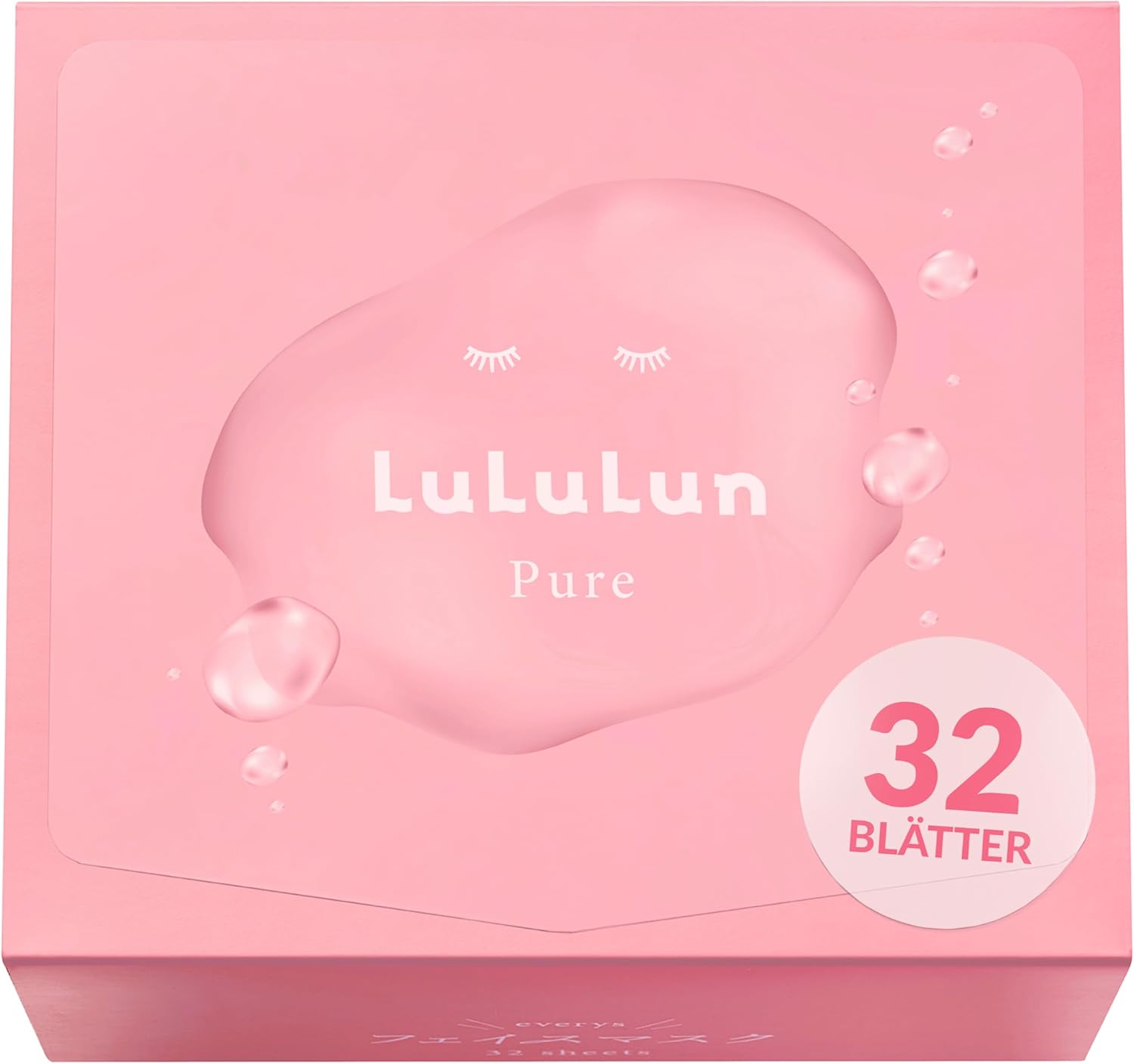
- Lululun Pure Balance Beauty Sheet Mask (600 yen): It stands out for its high load of advanced humectants such as polyglutamic acid (which retains up to 4 times more water than hyaluronic acid) combined with lecithin to improve penetration and a robust array of antioxidant extracts (cocoa, wakame, centella asiatica, and chamomile). It is magnificent for comforting the skin after environmental aggressions from urban pollution.
5. The Eye Area: SANA's Soy Isoflavones
The SANA brand bases its success on the culinary and cosmetic use of fermented soybeans, an ingredient extraordinarily rich in isoflavones—botanical compounds with potent antioxidant, firming, and skin collagen-protecting activity. We analyze its two star versions:
- SANA Soy Milk Sheer & Moisture Eye Cream (Red Pack - 900 yen): An eminently nourishing and protective eye contour. It combines fermented soy milk liquid, macadamia oil, plant-derived squalane, and an active vitamin E derivative (sodium tocopheryl phosphate) to curb daytime oxidative aging. In addition, it incorporates mineral reflective powder and micas that act to create a corrective optical effect that instantly brightens dark circles by diffusing light. It is ideal for preventive use and for applying before makeup thanks to the silky texture provided by its silicones.
- SANA Soy Milk Wrinkle Care Eye Cream White: This is an advanced anti-aging treatment product. It ups the ante by incorporating Niacinamide in high concentration (to brighten and address uneven tone) combined with pure Retinol to stimulate collagen synthesis and accelerate nighttime cell renewal in crow's feet and marked wrinkles. To prevent retinol from irritating this very thin skin, Sana uses a γ-cyclodextrin encapsulation system that releases the active ingredient in a controlled and gradual manner, while also wrapping it with ceramides, phospholipids, and phytosterols to restore the barrier. It is an outstanding formula for the nighttime routine.
- Kose Clear Turn Hada Fukkura Moisture Eyezona Mask (990 yen): If you prefer the patch format, these Bemliese cotton patches adhere under the eye, saturating the area with glycerin, hydrolyzed collagen, elastin, and an antioxidant cocktail of astaxanthin and retinyl palmitate to smooth expression lines caused by extreme environmental dryness.
 Sana Nameraka Honpo Soy Milk Isoflavone Eye Plump CreamView product
 Sana Nameraka Honpo Eye Plump CreamView product
Frequently Asked Questions (FAQs)
Why do Japanese cosmetics use denatured alcohol in their formulas?
Denatured alcohol or ethanol frequently appears in J-Beauty (such as in Sana cleansers or Kose patches). Japanese formulators use it at very controlled concentrations as a booster vehicle to lighten textures and help high-molecular-weight actives penetrate rapidly into the epidermis, achieving that matte, fast-absorbing finish so coveted in Asia. However, if your skin suffers from extreme dryness or eczema, you must make sure to apply a good lipid-rich barrier cream immediately afterwards to compensate for its presence.
Can the Melano CC essence cause spots if I expose myself to the sun?
No, quite the opposite. The pure ascorbic acid in Melano CC is an antioxidant that neutralizes free radicals generated by the sun, protecting your cells. The myth that vitamin C causes spots comes from poorly packaged formulas oxidizing upon contact with the air, turning orange and superficially staining the pore. Thanks to Rohto's airtight packaging, the active ingredient stays pure. Apply it in the mornings always accompanied by your sunscreen to shield your face against photoaging.
What is the difference between Japanese rice ferment and kojic acid?
They are closely related but not the same thing. Rice extract or ferment (present in the Keana mask) is a cocktail rich in amino acids, minerals, and sugars aimed at hydrating and restoring the ceramides of the barrier function. On the other hand, kojic acid is an isolated pure depigmenting molecule generated specifically when rice is fermented under the action of the fungus Aspergillus oryzae, responsible for blocking the tyrosinase enzyme to eliminate dark spots.
Discovering Asian dermocosmetics through the science of their formulations allows you to leave viral marketing behind and learn to choose the products that will truly transform the health of your face. Let's put the science of J-Beauty to work for your skin!