
 Español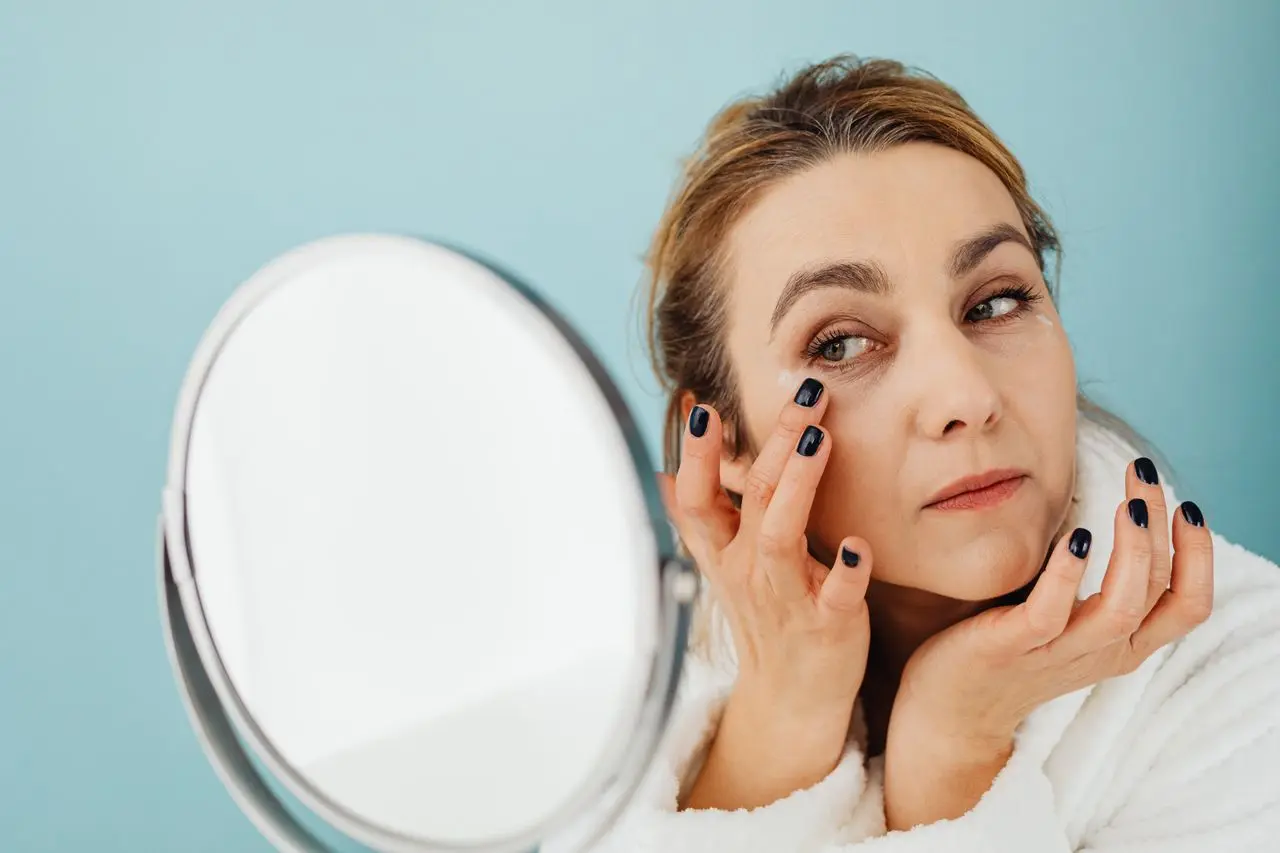
Dark circles are one of the most common aesthetic concerns pharmacists hear about, and at the same time, one of the most frustrating for users. How many times have you bought a "miracle" eye cream hoping to erase that tired look, only to find weeks later that your skin looks exactly the same? This cosmetic "failure" usually isn't because the product is bad — it's because of an initial diagnostic error.
Most people don't realize that "dark circles" isn't a single thing, but an umbrella term covering changes with completely different origins. Treating a purple dark circle with an active designed for a brown spot is a direct path to frustration. As a specialized pharmacist, my goal is to give you the science-based tools to identify your type of dark circle, understand which ingredients to look for on labels, and set realistic expectations. Because not all dark circles are treated the same way, and many of them can't be eliminated with cosmetics alone.
📺 Improve your dark circles! Don't miss the full breakdown with practical examples on my YouTube channel:
What Are Dark Circles, Really? The Anatomy of the Eye Area
From a dermatological standpoint, dark circles are an aesthetic change in the periocular area that can show up as darkened skin, a bluish or violet tone, an anatomical hollow, or a combination of all three — giving the face a tired, dull, or aged appearance. To understand why this area suffers so much, we need to look at the anatomical particularities of the skin around our eyes:
- Thickness: The skin around the eyes is 3 to 5 times thinner than the rest of the face. Lacking a robust stratum corneum, it's almost translucent.
- Very few sebaceous glands: It has an extremely low density of sebum-producing glands, which means its barrier function is fragile and prone to chronic dehydration.
- Lack of structural support: It contains lower levels of collagen and elastin, making it the first area to show sagging and fine lines.
Because of this extreme thinness, the blood vessels running underneath show through with extreme ease, any change in pigment production is immediately visible, and even the slightest loss of volume creates very noticeable shadows. In short: dark circles are often not a surface "color" issue at all, but a direct reflection of what's happening just below the skin.
Dark Circles vs. Puffiness: The Most Common Diagnostic Mistake
Before moving on to actives, it's crucial to clear up a common confusion: mixing up dark circles with puffiness. Dark circles refer exclusively to color (pigment or vascularity) or to the hollowing of the tear trough. Puffiness, on the other hand, involves a change in volume or swelling in the lower eye area.
If you notice puffiness or swelling when you wake up that gradually decreases throughout the morning, you're dealing with fluid retention or edema. This is caused by poor nighttime lymphatic circulation, and it's treated with local cold application and mechanical drainage massage — something completely different from treating dark circles.
However, if that swelling or bulge is permanent and doesn't change throughout the day, it's most likely due to a protrusion of the fat pads in the eye socket caused by aging or genetics. In this case, you need to be very clear that no cream on the market will remove accumulated fat; the definitive solution requires in-clinic aesthetic medicine or, in advanced cases, blepharoplasty (a minor surgery that's excellent for repositioning or removing that tissue).

The Causes Behind Tired Eyes: Genetics, Lifestyle, and Age
The appearance and worsening of dark circles results from a complex interaction of internal and external factors that affect the eye area:
- Genetic and constitutional factors: The bone structure of the eye socket, the intrinsic thickness of your skin, an inherited tendency to accumulate melanin in that area, or a family predisposition to vascular congestion all shape your baseline. If your biological parents naturally have very pronounced dark circles, you have a high anatomical likelihood of developing them too.
- Lifestyle and environment: Chronic lack of sleep slows blood drainage, causing periocular veins to dilate and darken the area. Stress raises cortisol levels and triggers micro-inflammation. Seasonal allergies lead to chronic rubbing that damages capillaries and causes post-inflammatory hyperpigmentation, while unprotected sun exposure stimulates melanin production.
- Structural aging: Over the years, collagen synthesis decreases and the subcutaneous fat compartments that cushion the eye area get reabsorbed. This causes the tear trough (the eye socket hollow) to sink, creating a physical shadow. Past a certain age, many dark circles don't get worse because their color changes, but because their bone and tissue structure changes.
Types of Dark Circles: How to Identify Them and Which Actives to Look For
To choose the right treatment, stand in front of a mirror in natural light and gently stretch the skin under your eye downward. Watch what happens and classify your dark circles into one of these scientific categories:
1. Pigmented or Melanin-Based Dark Circles
How to identify it: Shows a brown, tan, or grayish color. When you stretch the skin, the color doesn't disappear or change shade (it still looks like a stain). It's the most common type in medium-to-deep skin tones (Latin, Mediterranean, or Middle Eastern skin) and gets noticeably worse with sun exposure.
Causes: Caused by excess melanin production in the epidermis, triggered by genetics, sun exposure, or constant friction (rubbing your eyes aggressively).
Dermocosmetic actives to look for:
- Pure Vitamin C or Derivatives: Helps reduce melanin synthesis by directly interfering with tyrosinase enzyme activity, while also providing a powerful antioxidant effect that brightens the eye area.
- Niacinamide: Blocks the transfer of melanosomes to keratinocytes and soothes micro-inflammation.
- Tranexamic Acid: Works indirectly by reducing the inflammatory triggers that activate pigment production.
- Gentle Retinoids: Speed up cell renewal to shed pigmented cells, but must be used with extreme caution in this thin area.
- Azelaic Acid: Can help noticeably with hyperpigmentation, but around the eyes I only recommend it if specifically formulated for that area, or if your skin is very tolerant, always applying it with caution.
 Paula's Choice C5 Super Boost Eye CreamView product
 The INKEY List Brighten-I Eye CreamView product
 Mary and May Tranexamic Acid + Glutathione Eye CreamView product
2. Vascular or Circulatory Dark Circles
How to identify it: Shows a bluish, violet, or purple tone. When you stretch the skin, the color lightens slightly or shifts as the underlying vessels move. This is the classic dark circle that looks like a soft "bruise." It's very common in fair skin and intensifies dramatically after a bad night's sleep, fatigue, or crying.
Causes: Caused by slowed local blood microcirculation and capillary fragility, which makes the vessels dilate and show through the thin epidermis.
Dermocosmetic actives to look for:
- Caffeine: An excellent vasoconstrictor active that temporarily helps reduce vascular congestion and associated puffiness.
- EGCG (Epigallocatechin Gallate): Green tea extract that boosts caffeine's antioxidant and decongestant action.
- Specific peptides: Amino acid chains designed to improve the quality of the skin around the eyes, strengthening capillary walls and contributing to better microcirculation.
- Vitamin K Oxide: Although the evidence from independent studies is more limited compared to other actives, it can be very useful for vascular dark circles linked to high capillary fragility and minor blood extravasation.
 NACOMI NXT LVL Eye Brighting SerumView product
 ISDIN Isdinceutics K-Ox Eyes Contour CreamView product
 The INKEY List Caffeine Eye CreamView product
 The Ordinary Caffeine Solution 5% + EGCGView product
3. Structural, Hollow, or Anatomical Dark Circles
How to identify it: This isn't a skin coloring issue. If you shine a light directly from above (like a desk lamp), you'll see that what appears under the eye is a physical shadow caused by a pronounced groove running down toward the cheek. It gives a permanently tired look, no matter how much you sleep.
Causes: Loss of periocular subcutaneous fat due to aging or a constitutional bone structure with hollow eye sockets.
Dermocosmetic actives to look for:
Here we need to be honest as pharmacists: cosmetics can improve the quality, hydration, and thickness of the surface skin, but no cream can fill in bone or restore lost fat. When dark circles are mainly anatomical or very hollow, in-clinic aesthetic medical treatments (such as cross-linked hyaluronic acid filler, certain types of laser, or biostimulation) are the only options that offer visible volumetric results. For your at-home routine, look for ingredients that provide surface plumpness:
- Hyaluronic Acid of different molecular weights: Draws in water to intensely hydrate and improve the flat, dry look of the surface, even though it won't fill the deep groove.
- Collagen-stimulating peptides: Complexes like Matrixyl that help redensify the dermis so skin becomes slightly thicker and stronger.
- Ceramides and biomimetic lipids: To nourish the area and prevent cracking.


4. Mixed Dark Circles (The Most Common in Practice)
It's important to understand that the vast majority of people don't have a "pure" type of dark circle. What's most common day-to-day is a mixed presentation: a vascular component (purple) made more visible by surface dehydration, or a pigmented component (brown) sitting on top of a structural hollow that's deepened over the years. Identifying which components dominate in your case is the key to building a routine that actually works.
The Unfiltered Truth: What an Eye Cream CAN and CANNOT Do
To avoid wasting money on empty marketing promises, burn this scientific effectiveness scale into your memory:
| What evidence-based cosmetics CAN do | What NO cream on the market can do |
|---|---|
| Optimize hydration levels and smooth out dehydration lines. | Change your bone structure or facial features. |
| Improve overall radiance and refine skin texture. | Make a deep, hereditary dark circle disappear completely. |
| Fade surface dark pigmentation and reduce transient vascular congestion. | Replace the volumizing or repositioning results of aesthetic medicine. |
| Always remember this: A good eye cream won't completely erase deep dark circles, but it will noticeably improve them. Achieving a more rested, healthier-looking eye area isn't about buying the most expensive jar on the market — it's about choosing the right active for your specific type of concern and applying it with unwavering consistency. |
A Realistic Routine: How to Apply Eye Cream Correctly
To maximize the benefits of your dermocosmetic actives without causing unnecessary irritation, follow these professional application guidelines in your daily morning and night routine:
- Use the exact right amount: Applying more product won't get you faster results. The ideal amount for both eyes is roughly one grain of rice, split between both sides.
- Gentle application technique: Place the product on the bony ridge of the lower eye socket. Use light tapping motions with your ring finger (which naturally applies the least pressure), moving from the inner to the outer corner. Never drag, rub, or stretch the skin forcefully, as this can break the fragile capillaries and worsen the vascular component.
- Be scientifically patient: Skin renewal cycles and the processes behind depigmentation or improved circulation take time. Don't judge an eye cream's effectiveness before at least 8 to 12 weeks of consistent daily application.
- Non-negotiable supporting habits: Support your skincare by getting enough sleep, avoiding rubbing your eyes due to fatigue or allergies, and applying your daily broad-spectrum SPF 50 sunscreen to the eye area to prevent daytime photoaging.
Frequently Asked Questions (FAQs)
Can I use my regular face moisturizer around my eyes?
It depends on the formula. If your face moisturizer is very basic, fluid, fragrance-free, and doesn't contain potentially irritating actives (such as high concentrations of exfoliating acids or retinol), you could extend it toward the bony eye area for simple hydration. However, if you're targeting a specific concern (such as fading a brown spot or decongesting blood vessels), you need a specialized eye cream that includes the right target actives at the ideal concentration and pH for such thin skin.
Why do some eye creams make the area drier or cause little bumps?
Small white bumps (milia) around the eyes are usually caused by using overly occlusive, heavy creams rich in dense waxes that clog the follicles in this low-sebum-gland skin. On the other hand, flaking or tightness usually happens when we introduce transformative actives like retinol too abruptly, or in formulas that aren't properly stabilized for the eye area. If this happens to you, stop the product and prioritize a cream rich in ceramides.
Does cold really help get rid of the dark color under the eyes?
Cold acts as a powerful temporary vasoconstrictor. This makes it a fantastic tool for de-puffing fluid retention when you wake up, or for subtly relieving very congested vascular dark circles after a bad night's sleep. However, cold has no biological ability to eliminate accumulated melanin (pigmented dark circles) or to fill in the anatomical groove (structural dark circles). It's an immediate cosmetic relief, not a deep corrective treatment.
Learning to decode what your eye area really needs, based on science, is the only reliable path to a radiant, strong, and healthy eye contour.