 Español
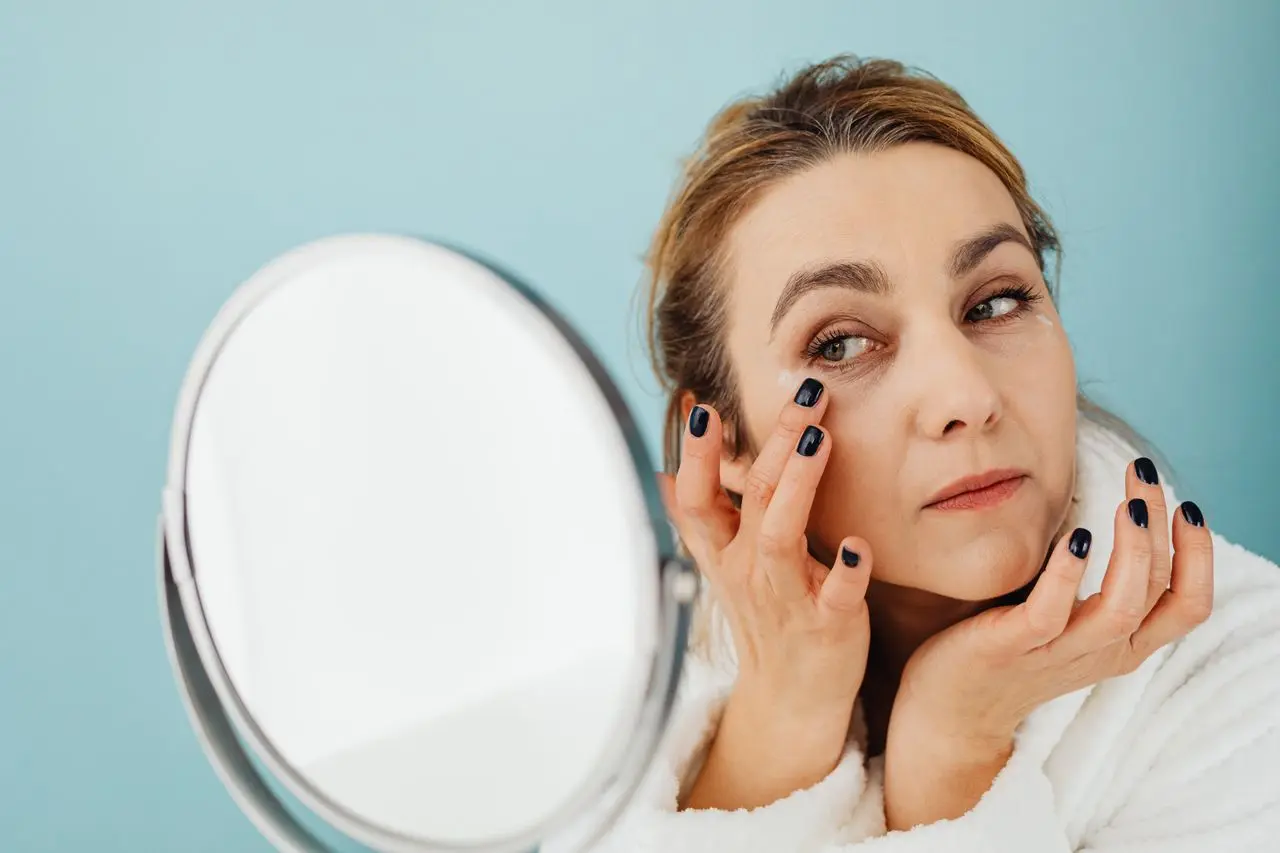
You have surely experienced this situation more than once: you go through a complicated period of stress, string together several nights of sleeping poorly, or drag out prolonged insomnia, and suddenly, upon looking in the mirror, you notice that your face has completely changed. Your skin looks dull, unusually dry, tight, and—most frustratingly—cosmetics that you used daily without any issue begin to cause a subtle stinging, redness, or immediate discomfort when applied.
When this happens, most people's natural reaction is to blame the last product they introduced to their vanity, assuming they have developed a sudden allergy or that the formula is defective. However, science and dermopharmacy show us that the real trigger is usually hidden in our lifestyle. As a pharmacist, I never tire of repeating that the skin is not an isolated organ; it is the direct reflection of our internal balance. In this article, we will analyze in detail the scientific basis of how sleep deprivation drastically alters the skin barrier function, making your skin much more sensitive and reactive, and how to fix it wisely.
📺 I'll explain it to you in a minute! If you want to see the explanation in a quick format, don't miss my latest YouTube Reel:
Skin Chronobiology: What Happens to Your Skin While You Sleep
The skin is governed by very precise internal biological rhythms controlled by skin chronobiology. Throughout the 24 hours of the day, our epidermal cells alternate their functions according to circadian rhythms:
- Daytime phase (Protection): During the day, the skin focuses on defending itself against ultraviolet sun radiation, free radicals from urban pollution, and sudden temperature changes.
- Nighttime phase (Repair): When night falls and we fall asleep, the skin slows down its defense mechanisms and sets its entire intensive regeneration machinery into motion. It is during this period that a peak in cell renewal occurs, accelerating keratinocyte division to replace damaged surface cells.
Furthermore, during deep sleep (especially in slow-wave phases), cutaneous microcirculation increases, facilitating a greater influx of oxygen and nutrients to the tissues, optimizing the synthesis of essential lipids (such as ceramides and fatty acids) responsible for naturally sealing and repairing the skin barrier function.
The Impact of Cortisol: The Number One Enemy of the Barrier Function
What happens when we restrict hours of sleep or rest is of poor quality on an ongoing basis? The body interprets this lack of rest as an alarm situation and activates the endocrine system, drastically raising levels of cortisol (the well-known stress hormone).
An excess of cortisol in the blood has direct and harmful effects on keratinocyte health and epidermal integrity:
- Slowing down lipid synthesis: Cortisol inhibits the natural production of the cementing lipids that form the "mortar" holding the cells of the stratum corneum together. Without sufficient ceramides or fatty acids, the cellular cement cracks.
- Transepidermal Water Loss (TEWL): Because the lipid structure is damaged, the water accumulated in the internal layers of the face evaporates very easily outward, leading to a state of severe dehydration.
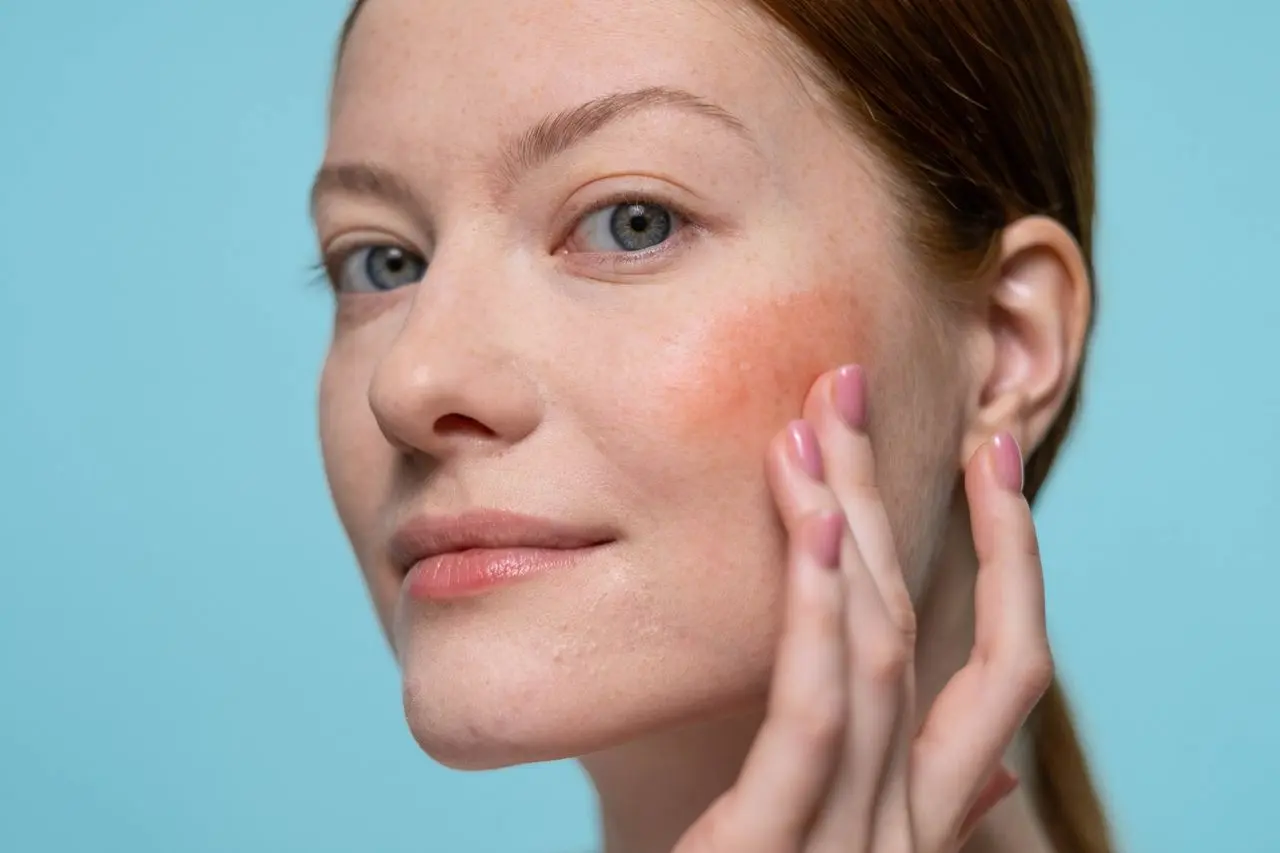
- Increased skin permeability: A cracked and dehydrated barrier loses its exclusion capacity. This means that substances that previously failed to penetrate deeply (such as certain preservatives, perfumes, or pollution) now cross the epidermis easily, reaching nerve endings and activating pain and stinging receptors.
Physical Symptoms of Sleep-Deprived Skin: Dryness, Tightness, and Reactivity
If you suffer from chronic or acute lack of rest, skin biomarkers will be altered, giving rise to a very specific clinical picture that defines vulnerable or temporarily sensitized skin:
- Skin reactive to touch and cosmetics: Since the skin's immune system is altered by cortisol, the skin responds with an inflammatory overreaction to minimal stimuli, causing your trusted moisturizer to cause a burning sensation.
- Extreme dryness and subtle flaking: The face loses its natural flexibility. Rough areas to the touch appear, especially on the cheeks and around the mouth, due to the slowdown in nighttime cell renewal.
- Sallow and dull tone: As nighttime blood flow decreases due to poor rest, skin cells receive less oxygen. The tissue loses its natural pink radiance and acquires a matte, grayish, or fatigued appearance.
Cosmetic Action Plan: How to Care for Skin During Periods of Poor Rest
If you are going through a bad sleep streak or stringing together days of deficient rest, the strategy on your vanity should be strictly for maintenance and rescue. Follow these pharmacy guidelines to calm the crisis:
1. Don't throw away your usual products. If your usual moisturizer suddenly starts bothering you, it doesn't mean you've become allergic to it forever. It means your skin barrier is altered and unprotected due to a lack of sleep. Once you recover your rest, you will tolerate it as usual again.
2. Zero experiments: Introducing new actives is prohibited. This is not the time to try that pure vitamin C serum you were gifted, nor to start a treatment with glycolic acid or retinol. Your skin is vulnerable and lacks the necessary lipid infrastructure to tolerate transforming actives or extreme pH levels.
3. Return to smart skinminimalism. Limit your routine to three basic steps with products you have tested thoroughly and know with absolute certainty that you tolerate perfectly: a gentle syndet technology cleanser (that leaves no tightness), a barrier cream rich in biomimetic ingredients (ceramides, panthenol, or hyaluronic acid), and your SPF 50 sunscreen in the mornings.
4. Work on the root cause. Whenever your circumstances allow, prioritize sleep hygiene: reduce screens before bed, keep the room cool, and seek to recover quality rest. Your overall health and your skin will thank you abundantly.
 CeraVe Foaming CleanserView product
 Dr.Althea 345 Relief CreamView product
 The Ordinary Natural Moisturizing FactorsView product
 CeraVe Facial Moisturizing Lotion SPF50View product
Frequently Asked Questions (FAQs)
How long does it take for the skin to recover its barrier after an insomnia streak?
Once you manage to restore a regular and quality sleep cycle (between 7 and 8 hours a day), coupled with a cosmetic routine focused exclusively on hydration and soothing, the stratum corneum takes approximately between 15 and 28 days to completely repair its lipid junctions and regain its usual tolerance.
Is there any cosmetic ingredient that makes up for hours of sleep?
From scientific evidence, the answer is no: no cosmetic replaces the biological functions of deep sleep. However, active ingredients like Niacinamide and Adaptogenic peptides are excellent allies in these times, as they mitigate the effects of cortisol-induced micro-inflammation and artificially stimulate ceramide synthesis in the vulnerable epidermis.
Why does lack of sleep also worsen acne or dermatitis breakouts?
As cortisol levels rise due to sleep deprivation, this hormone indirectly stimulates the sebaceous glands to produce more sebum. In acne-prone skin, this excess oil combines with a cracked and sensitive barrier, facilitating the proliferation of the Cutibacterium acnes bacterium and the appearance of inflammatory breakouts or eczema.
We often obsess over finding the problem or the magical solution inside a cosmetic jar, when the true trigger of our skin crises lies in our lifestyle and daily habits.
If you feel that your face reacts to any stimulus, that everything irritates you, and you want to learn to decipher exactly which external factors are sabotaging your skin barrier, I invite you to read my specialized digital guide "Why does everything irritate me?", available on Amazon, where I break down scientifically and accessibly how to identify these triggers before changing your entire routine.
 ¿Por qué todo me irrita?: Guía para entender, cuidar y recuperar una piel sensible y reactiva (Edición Ilustrada en Blanco y Negro)View product
 ¿Por qué todo me irrita?: Guía para entender, cuidar y recuperar una piel sensible y reactiva (Edición Ilustrada a Color)View product