 Español

Summer arrives, and beaches fill up with people lying on the sand with a single dermo-aesthetic goal: achieving a golden, tanned skin tone. Today we associate being tan with looking healthy, youthful, active, and having enjoyed a well-deserved vacation. However, if we look back and analyze the evolution of dermocosmetics, we run into a shocking historical reality: for centuries, exactly the opposite happened, and nobody wanted to get a tan.
For our ancestors, the idea of voluntarily exposing themselves to the sun to darken their skin would have seemed absolute madness. How did we go from fleeing solar rays to desperately seeking them out during the summer months? As a pharmacist, I am fascinated by analyzing not only the chemistry of ingredients, but also how sociology and history shape the beauty canons that directly impact the health of our skin barrier. In this article, we will take a chronological journey to discover when and why getting a tan became trendy, and how that cultural shift transformed the rules of modern dermatology.
🍿 History explained in pill format! I tell it with all the rigor and dynamism in this Reel on my channel:
For Centuries, Fair Skin Was Synonymous with Wealth and Prestige
Throughout most of European history, from classical antiquity through the Middle Ages, the Renaissance, and up to the late 19th century, porcelain, extremely pale, and fair skin was the ultimate symbol of wealth, social status, and prestige. The reason behind this aesthetic canon was not purely visual, but a direct reflection of the socio-economic structures of the era.
Having pale skin unequivocally indicated that you belonged to the aristocracy or the wealthier classes. It meant you had a financial position comfortable enough that you didn't have to work from sunrise to sunset in crop fields, construction, or open-air markets. Conversely, dark, weather-beaten, and tanned skin was the distinctive mark of peasants, laborers, and serfs. Extreme paleness was, therefore, the visual code that shouted to the world: "My status allows me to live placidly indoors in protected spaces."

The Ancestral Arsenal: Hats, Parasols, and Brightening Cosmetics
To keep that coveted porcelain tone intact, the upper classes deployed an impressive mechanical and dermocosmetic arsenal over the centuries. When going outside, noble ladies never went unprotected: wearing large hats, dense lace gloves, and elaborate parasols was mandatory to physically block sunlight.
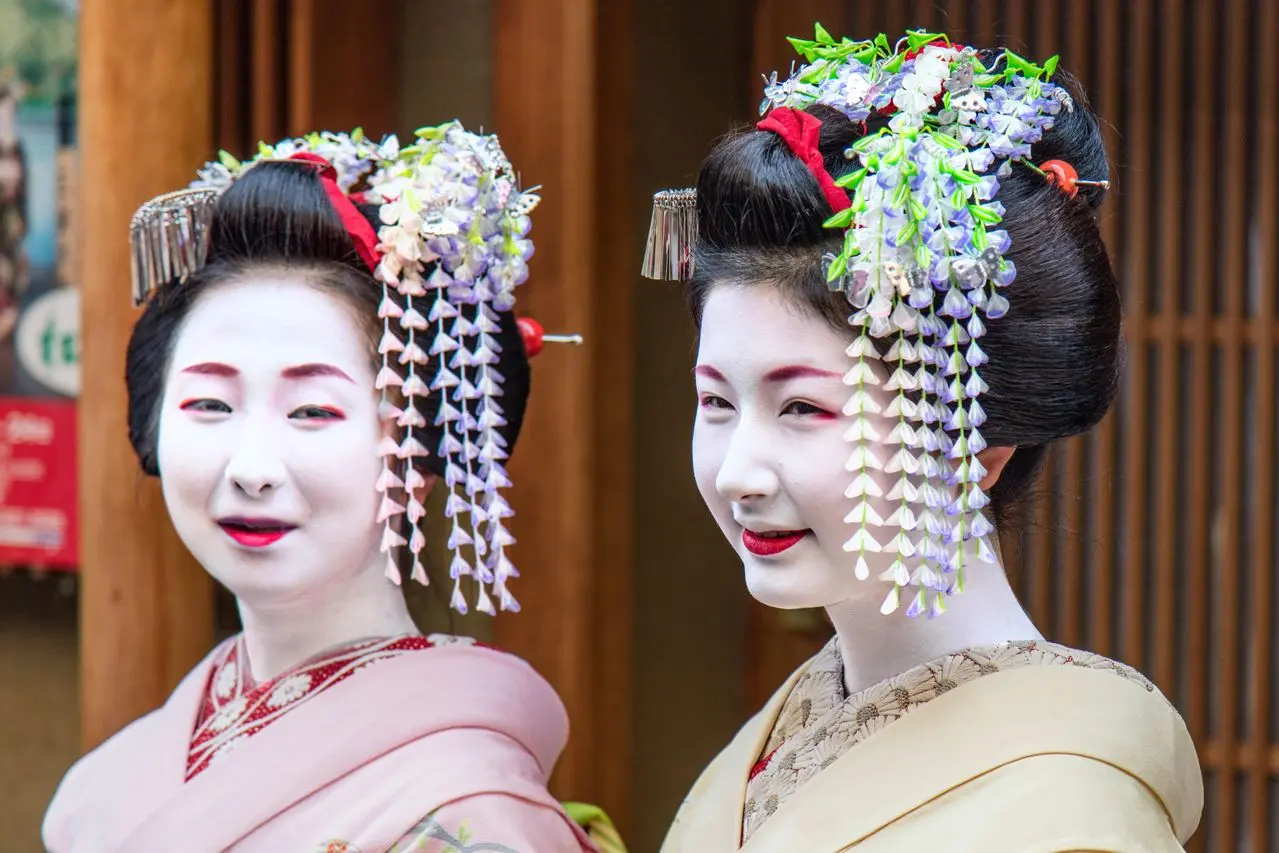
Furthermore, the cosmetics of the era were completely devoted to skin whitening. While lead carbonate-based powders were used in Europe (whose toxicity we already know about), other Asian cultures refined much safer, botanical methods. In fact, this desire to maintain an impeccable complexion free of sun effects bears a close dermo-cultural relationship with Eastern practices, just as I analyzed in my post when discovering the secret of the rice powder used by geishas to achieve that iconic white skin. Likewise, the first empirical attempts to mitigate solar erythema were born in these eras of absolute avoidance, a fascinating process I detail in the article about the first sunscreens in history and the origin of SPF.
Early 20th Century: The Birth of Vacations and Sport
However, at the beginning of the 20th century, the Industrial Revolution and social advancements caused a 180-degree turn in the structure of cities and work. Masses of workers abandoned crop fields to crowd into dark factories, enclosed workshops, and coal mines. The sun was no longer the workplace of the poor; now, gloomy interiors and a lack of natural light were the reality of the working class.
Simultaneously, the medicine of the era began discovering the benefits of sunlight (heliotherapy) to combat bone diseases like rickets and tuberculosis, stimulating vitamin D synthesis. Suddenly, the rich and bourgeois classes began having free time, money, and transportation means like the railroad to travel. Coastline trips, seaside vacations, tennis, and outdoor sports became the new exclusive activities of the wealthy. Being tanned came to mean you had enough money and time to go on vacation, while extreme paleness began to be associated with an unhealthy life inside factories.

The "Coco Chanel Effect": The Accident That Imposed a New Aesthetic
If economics and medicine prepared the ground for tanning, the haute couture world gave it the definitive push. According to popular fashion history, the aesthetic catalyst of the modern tan occurred in the 1920s and featured the revolutionary French designer Coco Chanel.
During a yacht trip along the French Riviera toward southern Cannes, Chanel spent several days directly exposed to the Mediterranean sun, suffering intense exposure that noticeably darkened her skin. Upon returning to Paris and appearing publicly stepping off the boat with an evident tanned tone, her huge legion of followers and society press declared that this new aesthetic was the height of sophistication, rebellion, and modern chic. Coco Chanel demonstrated that the tan broke away from the corsets of the previous century, linking it forever to sensuality, cosmopolitan status, and the freedom of the modern woman. From that moment on, the cosmetics industry changed course: whitening powders disappeared to welcome rapid tanning oils.

From the Tanning Trend to Cellular Health Awareness
The cultural shift Coco Chanel initiated in the 20s intensified over subsequent decades, reaching harmful extremes in the 80s and 90s with the rise of unprotected oils and artificial UVA tanning beds. Today, dermopharmacy and clinical dermatology view this phenomenon with a much more mature and rigorous scientific perspective.
From the standpoint of cutaneous physiology, a tan is not a sign of health, but a biological defense mechanism of the skin. When ultraviolet rays impact tissue, they damage cellular DNA; as a response to protect cell nuclei, melanocytes synthesize melanin (the dark pigment) to form an "umbrella" that absorbs radiation. Therefore, tanned skin is skin that has suffered an aggression. Enjoying the sun and the outdoors is wonderful for our well-being, but we must always do so with maximum protection to prevent sunspots and photoaging.
 PURITO Sunscreen SPF 50+ Sensitive SkinView product
 d'Alba Tone Up Sun Lotion SPF50+ PA++++View product
 ISDIN Fusion Water MAGIC Repair SPF 50View product
 TOCOBO Sun Stick SPF 50View product
The history of aesthetics teaches us that beauty canons are fleeting, but the health of your skin barrier is forever.