 Español
With the arrival and end of the summer months, it is extremely common to hear many people express delight that their hair has spontaneously become noticeably lighter. Expressions like "I have natural highlights thanks to the sun" or "summer's golden glow" are constantly repeated in hair salons and on social media, mistakenly associating this hair-lightening effect with a healthy, surfer, and youthful appearance.
However, under the strict magnifying glass of dermo-pharmacy and hair science, the reality behind this color change is completely different and much less idyllic. The lightening your hair undergoes under the sun is neither a controlled bleaching process nor a sign of vitality; it is the visible manifestation of deep chemical degradation of the fiber. As a pharmacist, my purpose is to help you understand the biological mechanisms of your hair based on scientific evidence. In this article, we will break down what hair photooxidation is, how solar radiation alters your hair's pigments and proteins, and what you need to do to avoid ending the season with fragile, dry, and dull hair.
📺 Want to see the summarized scientific explanation? I'll break it down for you in detail in under a minute in my YouTube Reel:
The chemical explanation: What is hair photooxidation?
Unlike skin, which responds to ultraviolet radiation by activating melanocytes to produce more melanin as a defense mechanism (what we know as a tan), our hair shaft is composed of keratinized dead cells that lack the metabolic capacity to regenerate or defend themselves. Therefore, any environmental impact suffered by the hair fiber generates irreversible cumulative damage.
When you expose your hair for weeks to the sun's ultraviolet radiation (both UVA and UVB rays), an irreversible chemical process called hair photooxidation is triggered. UV radiation acts as a powerful catalyst that interacts with atmospheric oxygen, generating a massive production of free radicals inside the hair shaft. These free radicals break the chemical bonds of the hair's internal components, destroying both the pigment that gives it color and the proteins that provide its strength.
How UV radiation affects hair pigments
The natural color of our hair is determined by the melanin present in the cortex (the inner layer of the hair). There are two main types of pigments: eumelanin (responsible for dark and brown tones) and pheomelanin (responsible for blonde, red, and copper tones).
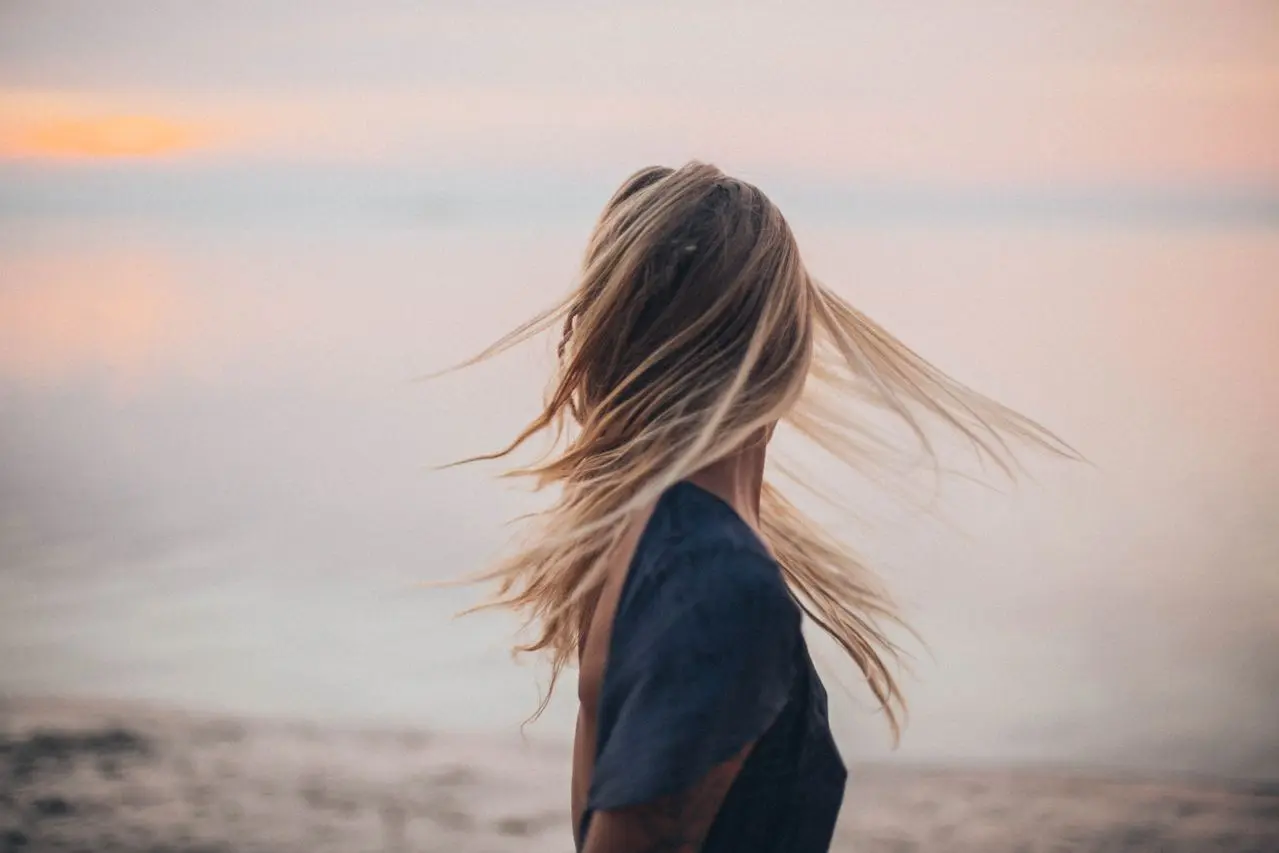
During the photooxidation process caused by the summer sun, free radicals selectively attack and degrade eumelanin first. As the dark pigment molecules are destroyed, light begins to reflect the underlying, lighter, and more resistant pigments, which are those of pheomelanin. This severe chromatic alteration is the scientific reason why brown or dark hair begins to turn toward straw-looking golden, orange, or reddish highlights, losing its natural shine and becoming dull and lackluster as days pass.
Keratin in danger: Dry, rough, and brittle hair
The concern of unprotected sun exposure does not lie solely in the loss of the original tone. Ultraviolet rays do not differentiate between pigments and structural supports; therefore, the attack of free radicals directly reaches keratin, the structural protein that accounts for 85–90% of the total composition of the hair fiber.
Keratin is extraordinarily rich in an amino acid called cysteine, which forms disulfide bonds (the strongest chemical bonds responsible for keeping hair firm, elastic, and cohesive). Solar radiation aggressively breaks these protein bonds. As the keratin infrastructure cracks, the outer cuticle opens and weakens immediately. As a direct consequence, the shaft loses its ability to retain internal water, giving rise to the three classic symptoms of photoaged hair: a straw-like rough touch, extreme dryness that does not improve with conventional washes, and structural fragility that favors breakage and split ends.
Sun damage as a precursor to frizz
It is essential to understand that dermo-cosmetic aggressions on the hair are closely interconnected. When the sun destroys the protective fatty acids of the cuticle and weakens the keratin bonds, the strand becomes extremely porous, behaving identically to a thirsty sponge in the face of any environmental change.
This accumulated structural degradation is the direct cause why, when combined with coastal or high-humidity environments, your hair goes completely out of control. If you experience this problem regularly, I recommend checking out my detailed article on "why does hair frizz in humidity", where I analyze under a scientific approach the hygroscopic behavior of damaged fiber and how water breaks hair hydrogen bonds.
Dermo-pharmacy strategies to protect your hair
To prevent the photooxidation process from destroying your hair every year, you must incorporate preventative care habits based on scientific evidence into your vanity routine:
- Use hair sunscreens: Just as you apply SPF to your face, hair needs chemical shields. Hair sprays with specific UV filters coat the cuticle, absorbing radiation before it can impact keratin and internal melanin.
- Seal the fiber with hydrophobic oils: The use of lightweight oils (such as argan, camellia, or squalane oil) rich in natural antioxidants acts as an artificial lipid barrier. This waterproof film minimizes internal water loss and mitigates daytime oxidative stress.
- Lean on physical protection: No cosmetic outperforms the efficacy of mechanical protection. Wearing hats, caps, or scarves during hours of highest solar intensity physically blocks 100% of UV radiation.
- Intensive post-sun repair: After exposure, prioritize washes with sulfate-free shampoos and apply masks rich in hydrolyzed amino acids, ceramides, and essential fatty acids capable of temporarily filling the fissures of damaged keratin.
 TRESEMME Spray Protector Keratin SmoothView product
 REVLON PROFESSIONAL UniqOne All in OneView product
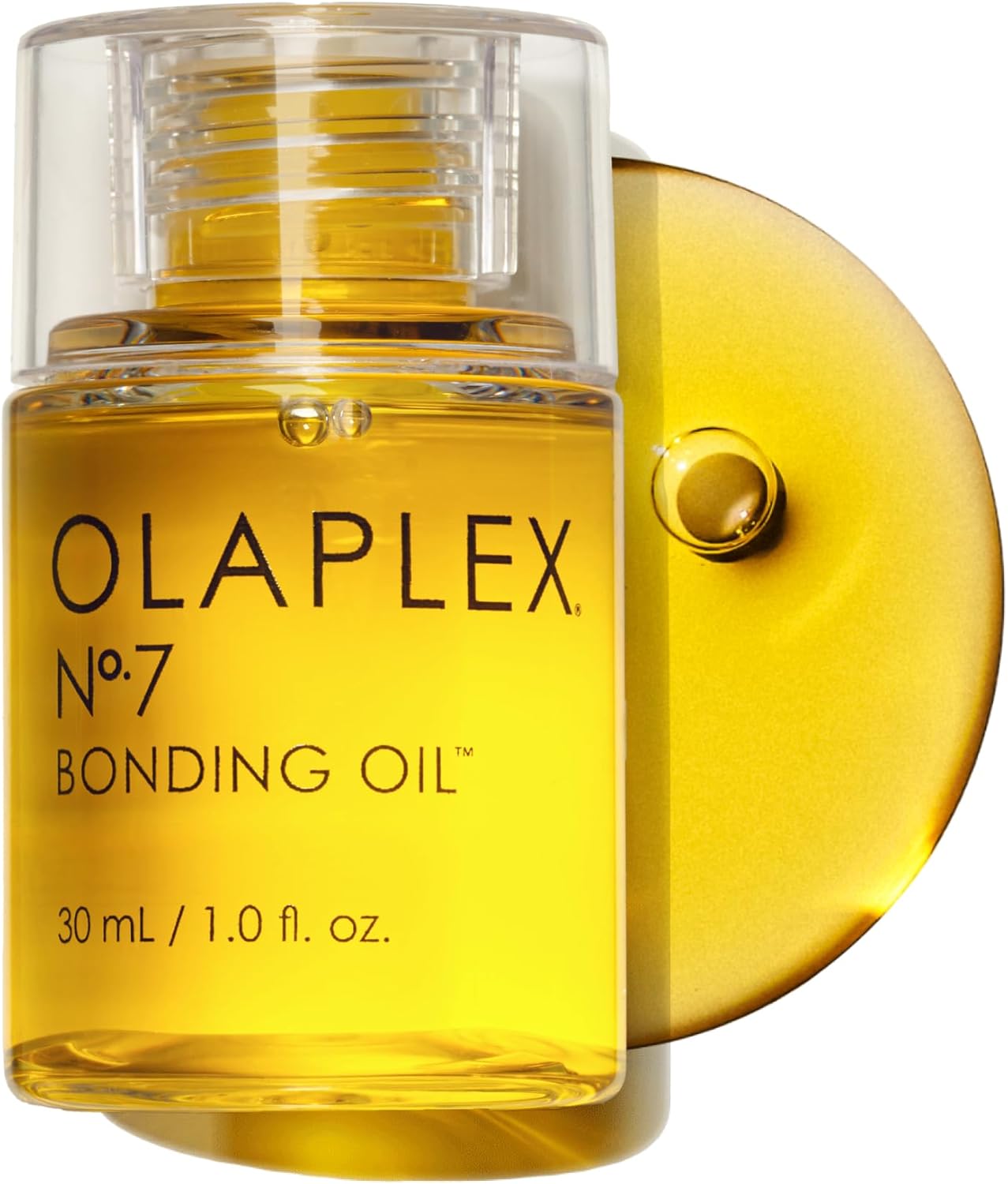 OLAPLEX No. 7 Bonding OilView product
 OGX Ever Straightening + Brazilian Keratin Smooth ShampooView product
Frequently Asked Questions (FAQs)
Why does dyed hair suffer more from sun lightening than natural hair?
Dyed or bleached hair has already gone through an artificial oxidation chemical process that previously weakened the cuticle scales and emptied part of its cortex. Being structurally more porous and unprotected, UV radiation penetrates much deeper and faster, accelerating the destruction of artificial pigments and causing the color to quickly turn toward unwanted tones (such as greenish blondes or excessively orange browns).
Does solar lightening of body hair follow the same chemical process?
Yes, the molecular process is exactly the same. Arm or leg hair lightens in summer due to the photooxidation of its eumelanin from continuous sun exposure. However, given that body hair has a short life cycle and constantly renews itself naturally, its long-term structural damage does not generate the aesthetic concern we observe in head hair.
Do hair sunscreens make fine hair greasy?
This was a common problem with old, dense formulations based on heavy oils. Today's industry has evolved enormously and offers hair sunscreens with dry-mist textures, aqueous fluids, or volatile serums that absorb instantly without leaving a greasy residue or weighing down fine hair, guaranteeing invisible protection of great daily comfort.
Learning to look at your hair through the lens of science allows you to focus on what truly matters: the health and integrity of your hair fiber. Let's care for your hair together based on science!