 Español
Table of Contents
- What really happens to your skin during summer?
- Step 1: Repair the Skin Barrier (The Essential Reset)
- Step 2: Restore Deep Hydration to Fight Dehydration
- Step 3: Antioxidants to Restore Radiance and Fade Dark Spots
- Step 4: The Safe, Gradual Return of Retinoids and Chemical Exfoliants
- The Most Common Autumn Mistake: Skipping Sunscreen
- Frequently Asked Questions (FAQs)
When the holidays end, it's very common to look in the mirror and notice that your skin's texture has changed. Does your skin feel duller, more dehydrated, tighter, or covered in new spots? It's not just your imagination. After weeks of continuous sun exposure, high temperatures, pool chlorine, sea salt, and sweat, your skin is crying out for a break and an updated facial routine.
As a pharmacist, I constantly see people piling on treatments all at once to try to undo the effects of summer. However, cosmetic science teaches us that the correct approach is the opposite: we first need to heal and restore the skin's balance. In this article, I'll guide you step by step on how to structure your autumn routine based on scientific evidence.
📺 Prefer watching instead of reading? I explain it all in under two minutes on my channel:
What Really Happens to Your Skin During Summer?
During the summer months, ultraviolet radiation (especially UVA and UVB rays) causes a drastic increase in oxidative stress within skin cells. This triggers collagen breakdown and activates uncontrolled melanin production as a defense mechanism, leading to the dreaded photoaging and the appearance of sun spots or melasma.
On top of that, environmental factors like chlorine and salinity disrupt the natural lipids in the stratum corneum. This causes a phenomenon known as Transepidermal Water Loss (TEWL). The direct result is dehydrated skin, which often tries to compensate for that lack of water by producing more sebum — which can trigger post-holiday breakouts.
Step 1: Repair the Skin Barrier (The Essential Reset)
Before thinking about fading dark spots or using powerful anti-aging actives, your number one priority should be repairing the skin barrier. If your barrier is damaged, any product you apply afterward will only cause irritation, redness, or sensitivity.
To achieve this, look for formulas rich in biomimetic, soothing ingredients that help seal the micro-cracks in the epidermis:
- Ceramides: These are the essential cementing lipids that hold skin cells together, preventing moisture loss.
- Panthenol (Pro-Vitamin B5): A powerful humectant with regenerating properties that soothes inflammation instantly.
- Squalane: A lightweight, non-comedogenic oil that mimics the skin's natural sebum, providing flexibility and softness without feeling greasy.
- Ectoin: An extremophile molecule that protects cellular structures from environmental stress and stabilizes the hydrolipidic barrier.
 COSRX Facial Moisturizer with Ceramide BarrierView product
 PURITO Pantenol 10% Face CreamView product
 The Ordinary 100% Plant-Derived SqualaneView product
Step 2: Restore Deep Hydration to Fight Dehydration
Dehydrated skin lacks water, not oil (which is why even oily skin can become dehydrated after summer). To restore optimal water levels across the different layers of the skin, we need hygroscopic actives capable of drawing in ambient moisture and locking it into the tissue.
The three star ingredients to look for in your serums or lotions are:
- Hyaluronic Acid: Ideally combining different molecular weights. The high-molecular-weight version stays on the surface for an instant plumping effect, while the low-molecular-weight version penetrates more deeply.
- Glycerin: A classic yet irreplaceable ingredient thanks to its extremely high efficacy and virtually zero irritation rate.
- Betaine: A natural osmolyte that helps skin cells maintain their water balance against external temperature changes.
 Anua PDRN Hyaluronic Acid Capsule 100 SerumView product
 The Ordinary Hyaluronic Acid 2% + B5 (with Ceramides)View product
 Transparent Lab Pure Glycerin Face SerumView product
Step 3: Antioxidants to Restore Radiance and Fade Dark Spots
If your complexion looks dull, it's time to introduce a daily antioxidant shield. Vitamin C (Ascorbic Acid) is the gold standard in dermocosmetics for three reasons:
- It neutralizes the free radicals accumulated from summer sun exposure.
- It plays a role in the synthesis of new collagen.
- It inhibits the tyrosinase enzyme responsible for melanin production, helping to even out skin tone and deliver incredible radiance.
If your skin is sensitive, opt for stable Vitamin C derivatives (such as Ascorbyl Glucoside) or combine it with actives like Ferulic Acid and Vitamin E to boost its stability and effectiveness.
 COSRX Advanced Pure Vitamina C 23% SérumView product
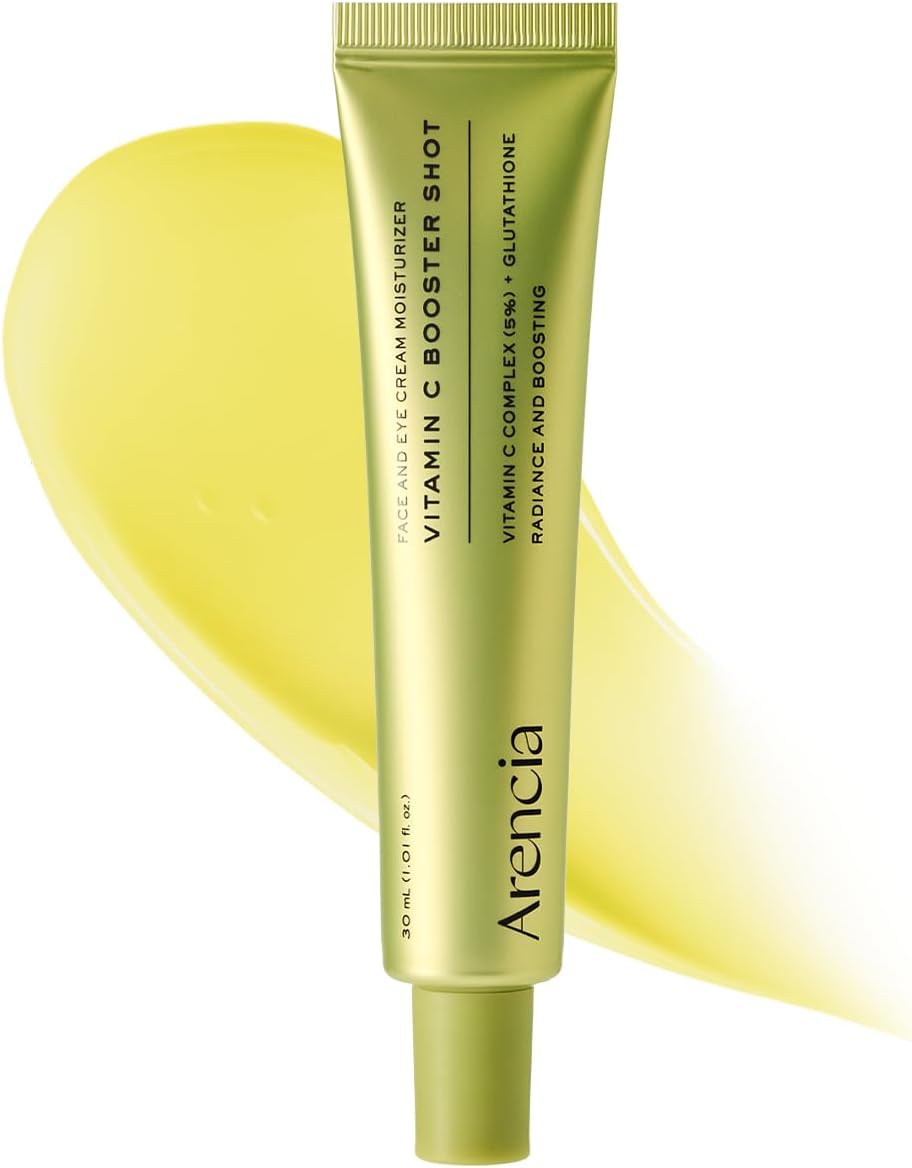 Arencia Vitamin C Booster Shot SerumView product
 REVOX B77 - Just Resveratrol + Ferulic AcidView product
Step 4: The Safe, Gradual Return of Retinoids and Chemical Exfoliants
Many skincare enthusiasts pause or cut back on retinoids (Retinol, Retinal) and alpha-hydroxy acids (such as Glycolic Acid, among others) during summer to avoid risks under intense sun exposure. Reintroducing them is a great idea to speed up cell renewal and fade summer damage, but it must be done gradually.
Don't jump straight back into your usual routine overnight. Start by applying the active 1 or 2 nights a week. Watch how your skin tolerates it over the first 15 days, and if there's no flaking or redness, gradually increase the frequency. Remember the golden rule: in skincare, consistency always beats intensity.
 celimax The Vita A Retinal Shot Tightening BoosterView product
 medicube Retinol Boosting SerumView product
 Paula's Choice Clinical Treatment con 0,3% Retinol + 2% BakuchiolView product
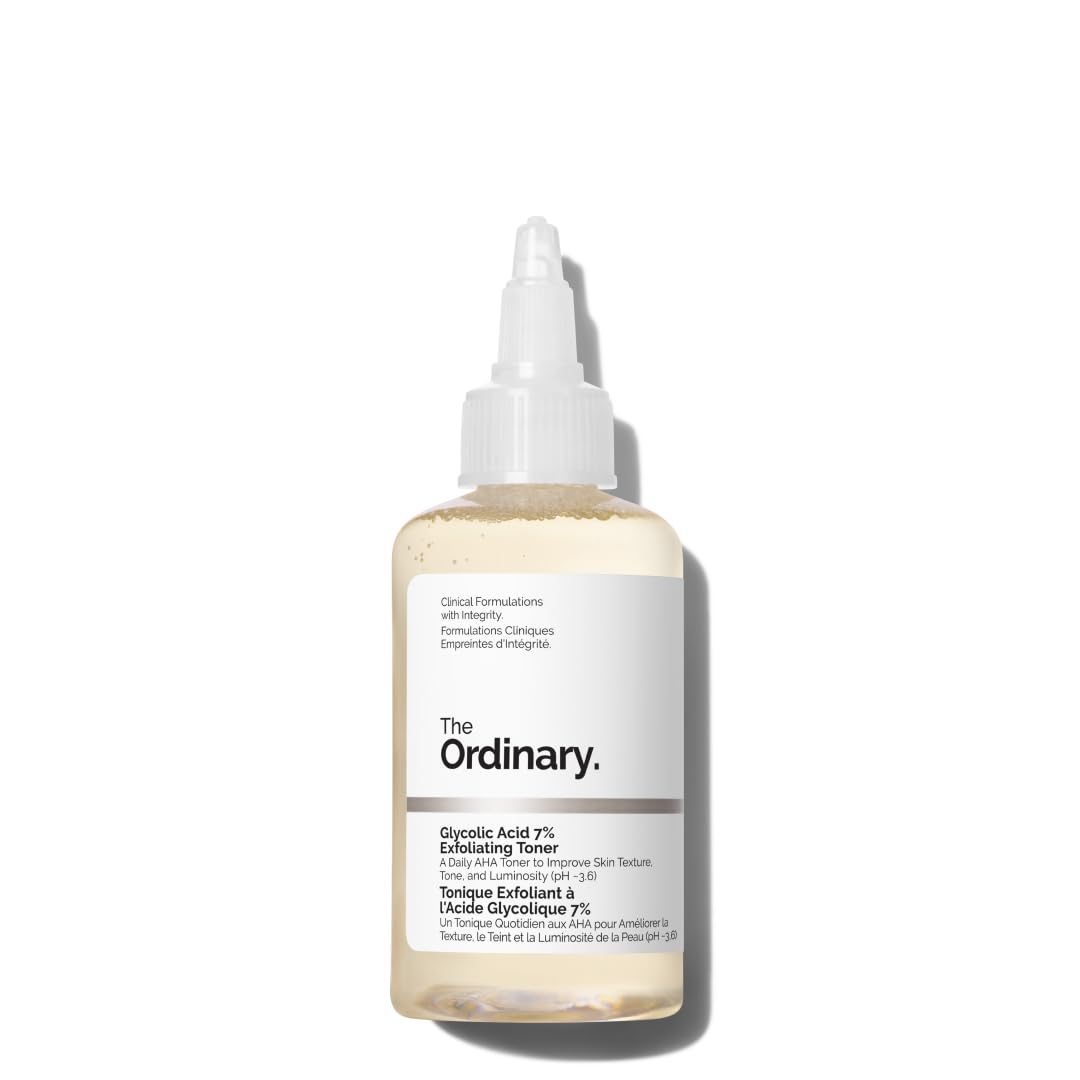 The Ordinary Glycolic Acid 7% Exfoliating TonerView product
The Most Common Autumn Mistake: Skipping Sunscreen
It's very common to think that, as days get shorter and temperatures drop, we can put sunscreen away until next year. This is the biggest mistake you can make if you're trying to restore your skin.
While UVB radiation (which causes sunburn) decreases in autumn, UVA rays remain present at a constant intensity all year round, even through clouds and window glass. This radiation is the main driver of silent photoaging, breaking down elastic fibers and keeping those hard-to-fight dark spots active. Wear your sunscreen every single day, all 365 days of the year.
 mixsoon Bean Sun Serum SPF 50+ PA++++View product
 d'alba Toning Sunscreen Lotion Waterfull SPF50+PA++++View product
 Eucerin Sun Gel Cream Oil Control Dry Touch FPS 50+View product
 Tocobo Stick Sunscreen FPS 50View product
Frequently Asked Questions (FAQs)
How long does it take for skin to recover after summer?
The skin's natural cell renewal cycle takes approximately 28 days. With a routine focused on repair and consistent hydration, you'll start noticing visible improvements in texture and radiance after about 3 to 4 weeks.
Can I use Vitamin C and Retinol at the same time during this season?
Yes, but spaced apart. The optimal scientific recommendation is to use your Vitamin C serum in the morning (to take advantage of its antioxidant action against daytime radiation) and reserve retinoids exclusively for your nighttime routine.
What should I do if new spots have appeared?
Stay calm and prioritize sun protection. Once your skin barrier has fully recovered after the reset process, you can safely introduce specific brightening actives such as Tranexamic Acid, Azelaic Acid, or Niacinamide.